

the impact of stress and sleep on performance
You’re putting in the hard work with training and fueling… but still not seeing or feeling the results you expect? It could be related to your sleep and stress.
Both are often overlooked, but they play a huge role in how you perform, recover, and feel day to day. You can do everything “right” and still feel off if these two aren’t in check.
Why Sleep Actually Matters
Chances are, we’ve all heard “I’ll sleep when I’m dead,” but when it comes to performance, that’s not exactly the direction we want to go.
Sleep is not just about feeling rested. It can also directly affect your performance. In fact, both the International Olympic Committee and the National Collegiate Athletic Association recognize sleep as a major contributor to athletic performance and overall health.
So what counts as enough sleep?
At least 7 hours per night.
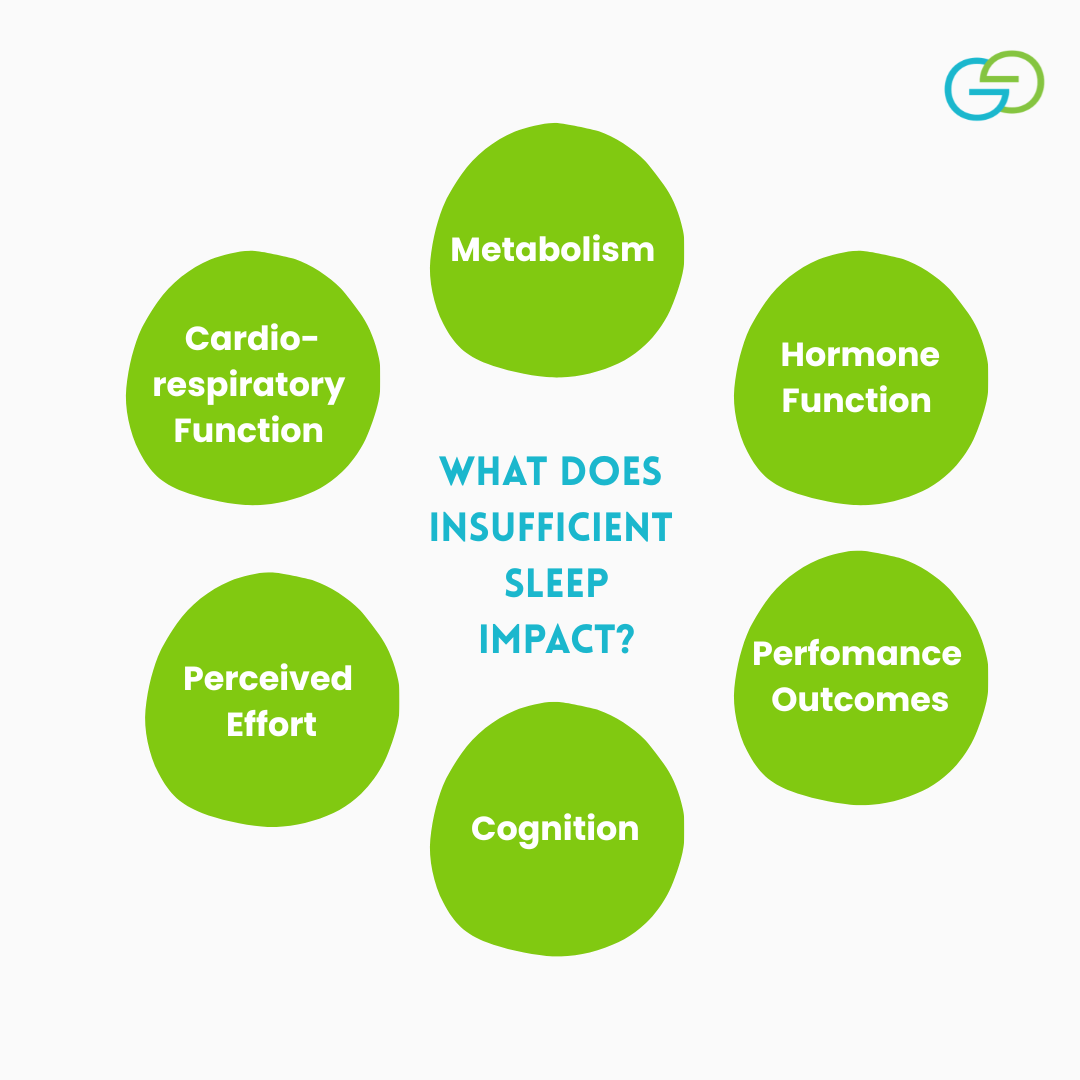
Consistently getting less than that can affect:
Metabolism
Hormone function
Performance outcomes
Cognition
Perceived effort
Cardiorespiratory function
What the Research Says About Sleep
A 2026 systematic review looked at various ultra-endurance sports including running, cycling, swimming, triathlon, and more.They examined the impact sleep has on physiological and cognitive outcomes of performance.
Here is what they found:
Better sleep quality in the week leading up to competition was associated with better cognitive outcomes.
Sleep deprivation was associated with:
Slower reaction time
Worsened executive function (Pace adjustment)
Increased post-race fatigue
Sleep & Recovery: What Athletes Need
Sleep is where a lot of the real recovery happens. It is not just “rest,” it is when your body is actually repairing, adapting, and getting you ready for your next training session.
While there are general sleep guidelines, athletes usually need more than the minimum to keep up with the physical and mental demands of training.
Here is a general breakdown:
Adolescents (13–17 years)
General recommendation: 8–10 hours
Athlete recommendation: 9–10+ hours
Young Adults (18–25 years)
General recommendation: 7–9 hours
Athlete recommendation: 8–10 hours
Adults (26+ years)
General recommendation: 7–9 hours
Athlete recommendation: 8–9+ hours
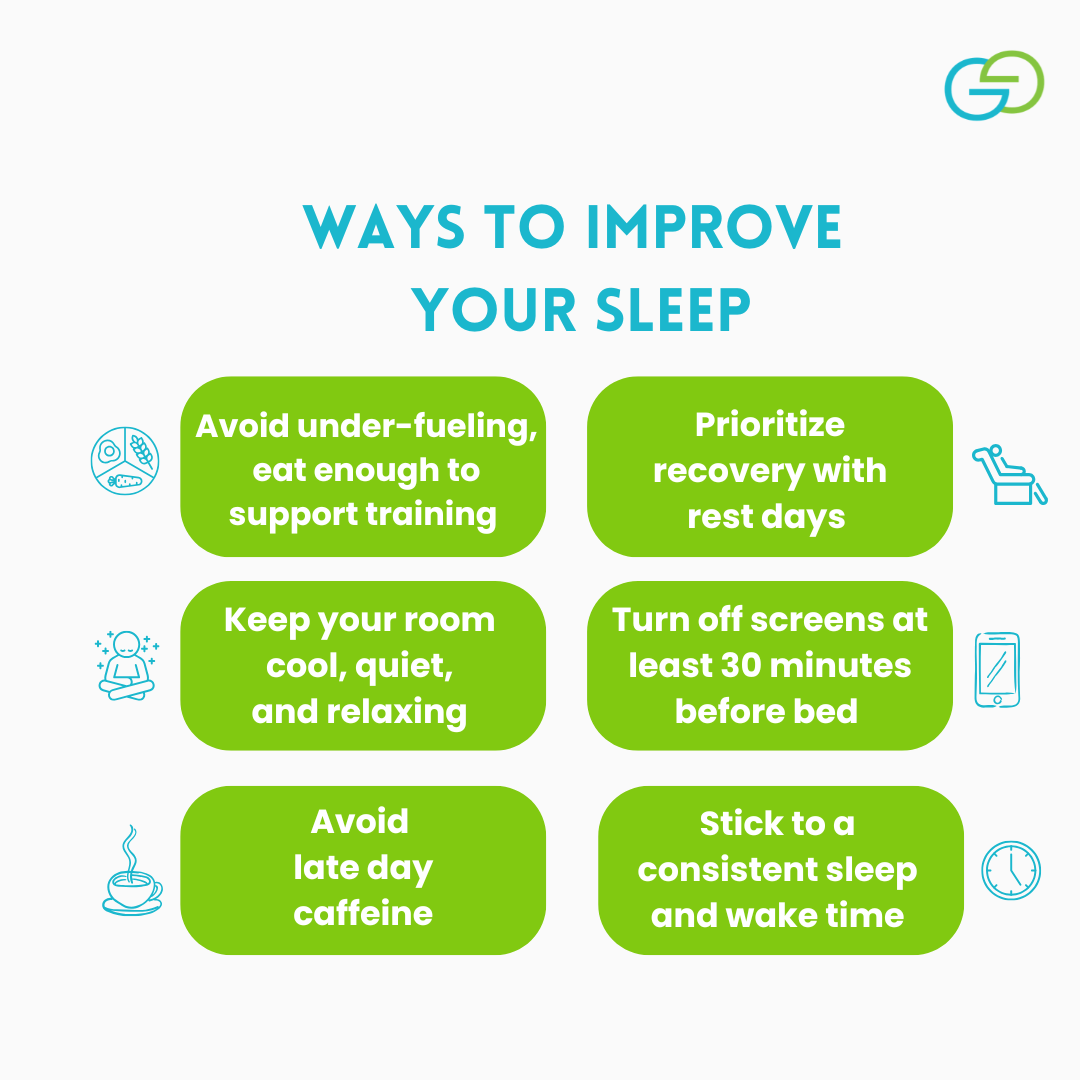
Supporting Better Sleep Quality
If you feel like you are doing all the “right” things and your sleep still is not great, you are not alone.
Here are a few evidence-based supplements that may help, especially during periods of heavy training or stress:
Magnesium
Melatonin
Tart cherry juice
Think of these as tools you can layer in, not quick fixes. They work best when your basic sleep habits are already in place.
It is important to check in with your dietitian or primary care provider before adding any new supplements to your routine.
Don’t Skip the Bedtime Snack
If you are training regularly and going to bed under-fueled, your body does not have what it needs to fully recover overnight.
A simple bedtime snack can help:
Support muscle repair
Maintain energy availability while you sleep
Prevent waking up overly hungry
It does not need to be anything big or complicated. Ideally, aim for a mix of carbohydrates and protein to support recovery overnight. Some easy options include:
Banana with peanut butter
Greek yogurt with granola or fruit
Cottage cheese with fruit
A protein smoothie or shake
Crackers with cheese
Let’s Talk About Stress
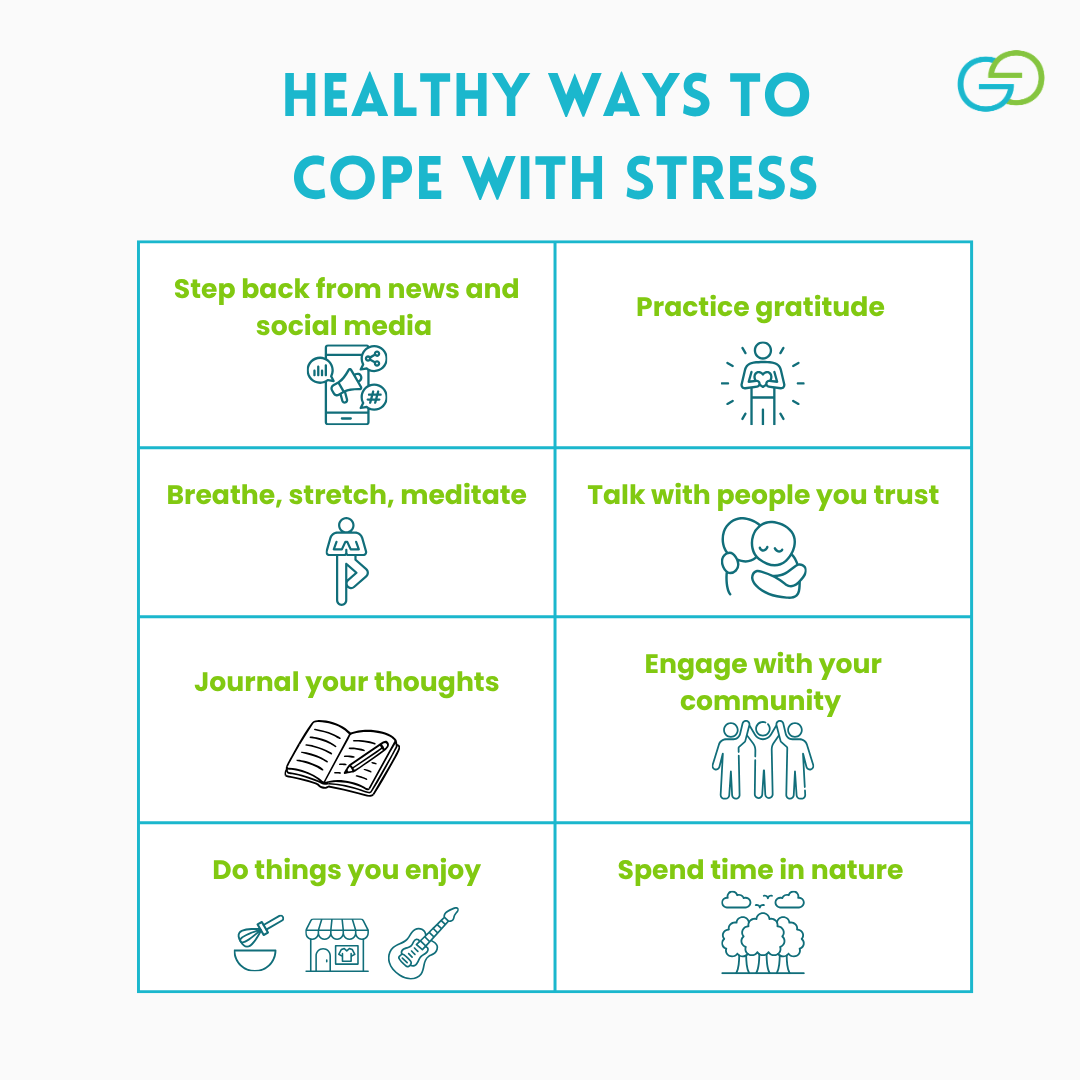
Stress is not just “in your head”. It can show up everywhere, especially for athletes. Athletes can experience stress through a multitude of lenses surrounding performance expectations, social pressures, personal triggers, and more.
Stress can come from:
High coaching demands
Perfectionism
Relationships
Finances
School
And just like the saying goes, “you can’t pour from an empty cup”. If stress is constantly high, it is going to spill over into your performance and recovery.
What the Research Says About Stress
Research shows that certain athletes have increased risk of developing mental health issues, as well as disordered eating and exercise behaviors.
A 2025 systematic review looked at 24 studies examining how psychological interventions impact anxiety in athletes including relaxation and pressure training, mindfulness training, meditations, etc.
What They Found:
Both adult and adolescents benefitted from interventions
Results were more inconsistent in adolescents, likely due to developmental factors
Psychological Skills Training (PST) had the biggest impact on performance-related stress
This includes skills like:
Goal setting
Visualization
Positive self-talk
Concentration control
Bottom Line
When it comes to performance, sleep and stress are not extras, they are part of the foundation.
If either one is off, it can hold you back, no matter how dialed in your training and nutrition are. Sometimes the next level of performance is not about doing more, but supporting your body in the areas that often get overlooked!
If you’re feeling stuck, low on energy, or not performing the way you expect, it might be worth taking a closer look at what’s happening outside of your workouts.
If you want help identifying what might be holding you back and building a plan that supports your performance as a whole, book an intro call today with GracesGrit to learn individualized strategies to help support your performance!
References:
Li H, Yang Q, Wang B. Effects of psychological interventions on anxiety in athletes: a meta-analysis based on controlled trials. Front Psychol. 2025;16:1621635. Published 2025 Aug 7. doi:10.3389/fpsyg.2025.1621635
Nuetzel B. Stress and its impact on elite athletes' wellbeing and mental health-a mini narrative review. Front Sports Act Living. 2025;7:1630784. Published 2025 Jul 16. doi:10.3389/fspor.2025.1630784
Hatia M, Loureiro N, Ribeiro J, et al. A Narrative Review of the Impact of Sleep on Athletes: Sleep Restriction Causes and Consequences, Monitoring, and Interventions. Cureus. 2024;16(12):e76635. Published 2024 Dec 30. doi:10.7759/cureus.76635
