

Common Sports Nutrition Myths
Have you ever caught yourself implementing a nutrition tip and later realize there was zero evidence behind it?
Nutrition advice has never been more accessible, or more confusing. Between trends, bold claims, and anecdotal opinions that aren’t backed by evidence, it’s easy for athletes to be exposed to misinformation. This blog addresses some common nutrition myths that are we see in practice and counters them with evidence‑based explanations that actually support performance and recovery!
Common Myths
“The More Protein, The Better”
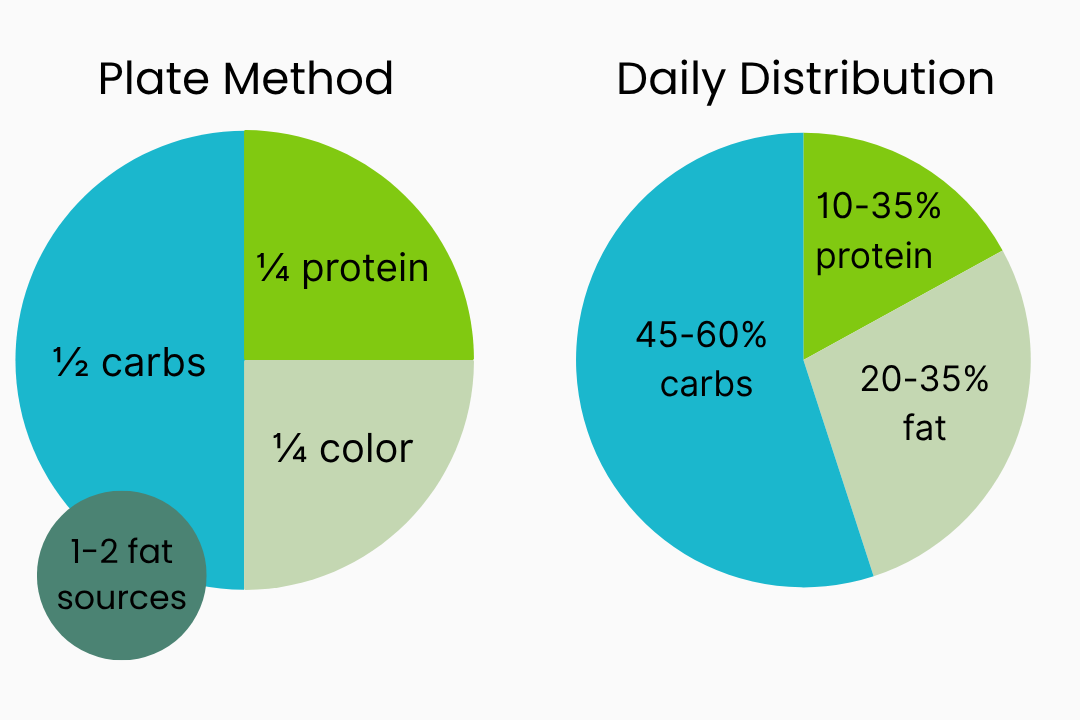
Protein has recently become a trend, especially in the athlete world, convincing individuals that they need to get as much protein in their diet as possible. But for athletes, this can actually work against performance. The spotlight put on protein consumption can cause individuals to miss out on the other vital macronutrients, carbohydrates and fats. Carbs are crucial for providing sustained energy during training sessions and fats provide a variety of important functions from hormone support to the absorption of essential nutrients to brain function. By no means does this minimize the importance of protein, but it is crucial to remind athletes that peak performance is achieved through a balanced diet, not from a single macronutrient. To put in into perspective, the images below show how carbs, fat, and protein can be distributed throughout meals as well as your daily intake.
“I Need Supplements to Improve My Performance”
This is a very common mindset among athletes, especially when supplement marketing convinces athletes that they need a certain supplement to perform well. When we focus on what the research actually says, we know that most people can meet their nutrient needs from a balanced diet prioritizing whole foods. Of course, there are a multitude of researched supplements shown to have clear benefits when used intentionally including creatine, magnesium, vitamin d, iron, and even caffeine. However, this does not mean that every athlete requires supplementation. When supplements are taken incorrectly or a true need is not established, they can actually work against performance. Improper use can put athletes at risk for medication interactions, nutrient imbalances and toxicity, and unpleasant side effects. It is important that athletes get lab work to confirm nutrient deficiencies and make decisions alongside the guidance of a sports dietitian and/or physician to ensure supplements are being used safely. Always remember to use a third-party tested product!
“Carbohydrates Cause Weight Gain”
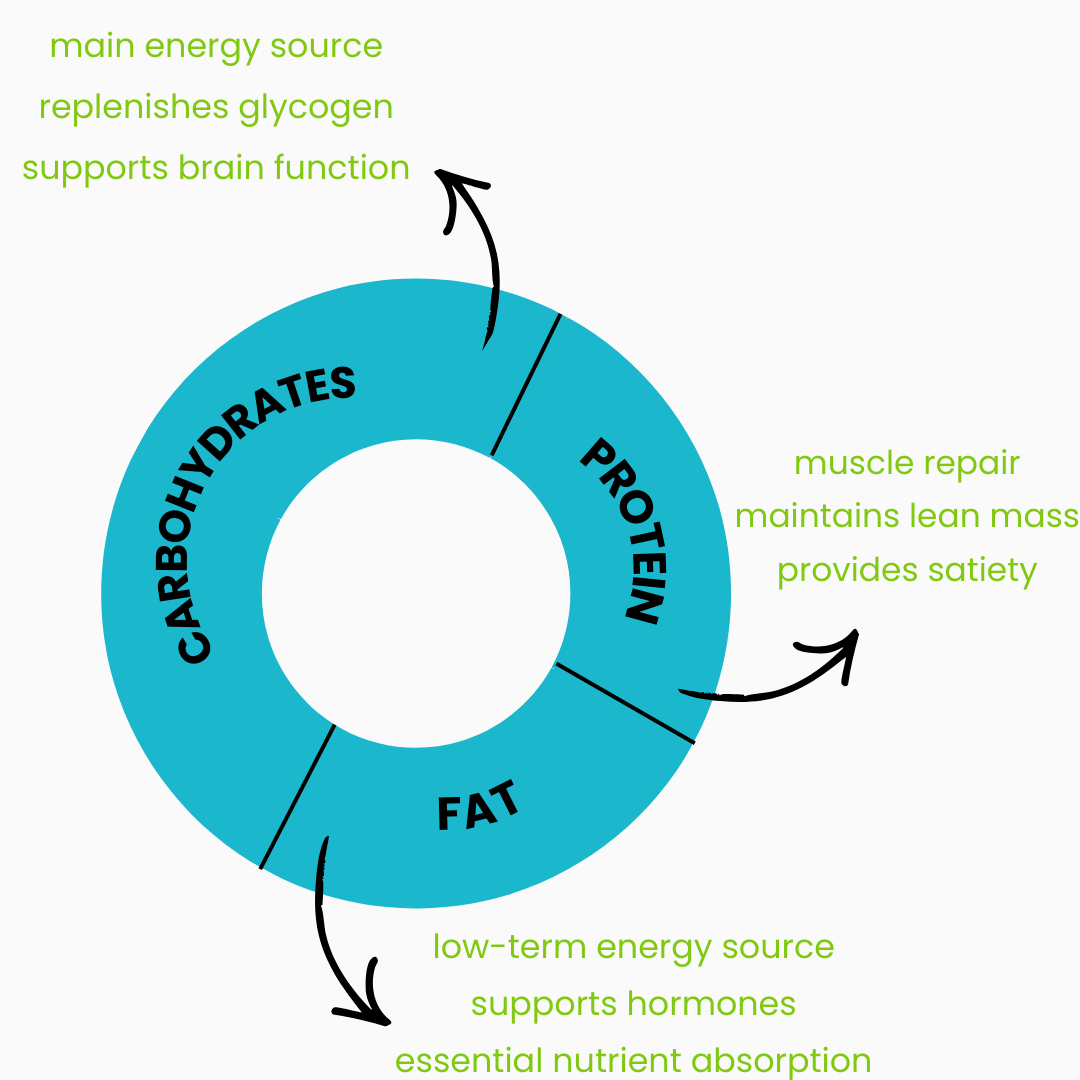
Carbohydrates can seem scary, especially when you’ve heard that eating them will change your body in a negative way. But carbohydrates are our body’ s preferred fuel source and essential for sustained energy to get you through intense training. Avoiding them does not automatically make your body leaner. Instead, this can actually lead to lack of energy, feeling hungrier, stressed, and negatively impact your ability to recover. Carbs help your body feel fueled and supported so you can perform and recover your best!
“Feeling Exhausted is A Normal Part of Training”
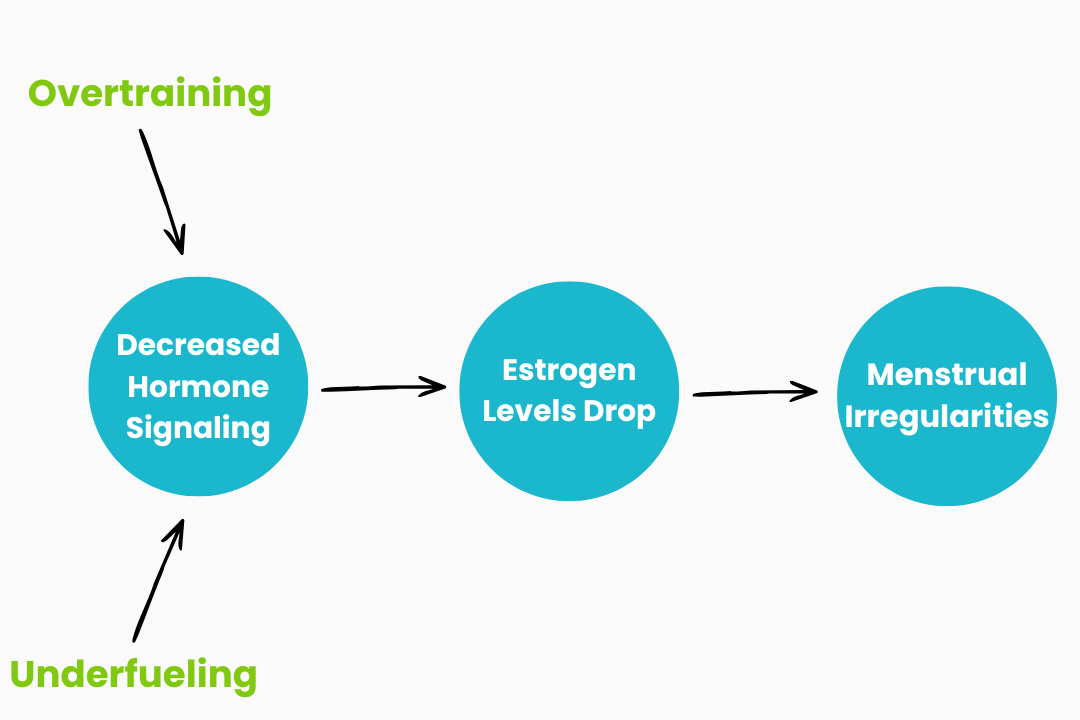
Many athletes are conditioned to think that chronic fatigue and exhaustion are just a part of being an athlete. This is especially true when overtraining is praised and viewed as “dedication.” But feeling chronically worn down isn’t a marker of commitment, it can signal that the body may be overtrained, under-fueled, and simply not supported. Normal training fatigue is temporary and should resolve with proper rest and nutrition, but when we start to experience persistent symptoms like exhaustion, changes in sleep, shifts in appetite, and irritability, these should not be normalized.
“Not Having a Period Just Means You’re Fit”
It is common for female athletes to develop menstrual irregularities and missing cycles when they are training at a high intensity. A lot of the time, they are told these changes are because they are “in shape” and consistently training. However, amenorrhea (the absence of menstruation) is not a normal bodily response. Instead, it is the body’s way of telling an athlete they are under-fueled. When female athletes are not giving their body enough fuel to support training, the reproductive system is often one of the first things to suffer because it cannot run properly. Having a regular period is actually a sign of proper fueling and recovery. If it disappears, that’s not discipline. It’s a signal the body is stressed and craving support.
Bottom Line
Athletes deserve guidance that’s rooted in evidence, not trends or fear‑based messaging. When you understand the “why” behind your fueling choices, you’re better equipped to support your training, recovery, and overall health. Book an intro call today with GracesGrit to learn how to spot misinformation and receive individualized strategies to support your performance!
References:
Gist, T. (2025). CHAPTER 1 – MYTHS AND MISCONCEPTIONS IN SPORTS NUTRITION – Sports Nutrition with Professor Toni Gist. Illinois.edu. https://publish.illinois.edu/sportsnutrition/ch1-myths/
Dreke, J. (2025, March 8). Peak to Peak Nutrition. Peak to Peak Nutrition. https://www.peaktopeaknutrition.com/blog/the-hidden-cost-of-athletic-performance-why-missing-your-period-is-not-normal
