

Period Recovery: Understanding Cycle Loss and Restoration
Many female athletes, coaches, and active women view losing a period as a badge of honor, a sign of discipline or peak fitness. In reality, it is the opposite. Missing your period is one of the clearest signals that the body is under-fueled and under-recovered.
Period recovery has become a growing topic in the wellness space, but it is still widely misunderstood. As a registered dietitian, I work with clients navigating cycle loss due to underfueling, intense training, and ongoing stress.
This blog will break down what period recovery actually means, why periods are lost, and why recovery matters both short and long term. We will also explore how nutrition, training, and lifestyle factors work together to support a healthy menstrual cycle.
Why your cycle matters and how to support it
Your menstrual cycle is not just about fertility, it is a vital sign of overall health and function. Losing your period is your body’s way of signaling that something is off. Amenorrhea, particularly functional hypothalamic amenorrhea (FHA), is associated with short and long-term health consequences. Suppressed estrogen levels and chronic energy deficiency can affect multiple systems in the body, often before a missing period feels concerning.
Low estrogen can directly impact bone health, reducing bone remodeling and increasing the risk of stress fractures and long-term osteoporosis. Chronic energy deficits and hormonal suppression can also affect metabolism, thyroid function, and cardiovascular health, potentially altering energy levels, lipid metabolism, blood pressure, and recovery.
Cycle loss can influence mood, sleep, and cognitive function, which, combined with high training or psychological stress, may impact the female body long-term. Research shows that weight-loss related amenorrhea affects skeletal, cardiovascular, endocrine, and psychological systems. The longer estrogen remains suppressed, the greater the potential risk to long-term health (Chen et al., 2022).
What is period recovery?
Period recovery refers to the return of a natural, spontaneous menstrual cycle after it has been lost or suppressed. In active women, one of the most common reasons a cycle disappears is FHA, a reversible condition in which communication along the hypothalamic–pituitary–ovarian (HPO) axis is down regulated.
FHA is not caused by structural or organic disease. Instead, it is a functional response to low energy availability, weight loss, excessive exercise, psychological stress, or a combination of these factors (Chen et al., 2022; Amoroso et al., 2023). When the brain perceives that energy or recovery resources are limited, reproductive hormone signaling is one of the first systems to be suppressed.
It is important to distinguish true period recovery from a withdrawal bleed caused by hormonal birth control. Bleeding while on birth control does not indicate restored ovulation or normalized hormone production. True recovery means the brain and ovaries are communicating effectively again, and the body feels adequately fueled and supported to sustain a menstrual cycle on its own.
Common causes of amenorrhea or irregular periods
Missing a period usually does not happen for just one reason. Research consistently shows that FHA is multifactorial. Common contributors include chronic energy deficits or underfueling, weight loss or weight suppression, high training volume or intensity without adequate recovery, and psychological or emotional stress.
Weight-loss related amenorrhea is considered a subtype of FHA and is especially common in adolescents and women of reproductive age (Chen et al., 2022). This can occur even in individuals who appear healthy or are eating “clean” but are not consuming enough total energy.
Eating Disorders and Disordered Eating
Eating disorders and disordered eating behaviors are strongly associated with amenorrhea and irregular menstrual cycles. Cycle loss is often driven by intentional or unintentional restriction, fear of weight gain, rigid food rules, or compensatory exercise behaviors that create a persistent energy deficit and stress on the body.
Amenorrhea can occur in both women with a diagnosed eating disorder and women without one. Many women do not meet diagnostic criteria for anorexia nervosa or another eating disorder yet still experience hormonal disruption due to chronic underfueling, meal skipping, or inadequate carbohydrate and fat intake. In adolescents and young women, weight-loss related amenorrhea is particularly common and concerning. During this age, the body requires sufficient energy not only to maintain a menstrual cycle but also to support bone accrual, growth, and long-term reproductive health (Chen et al., 2022). Prolonged suppression of estrogen during these years can have lasting consequences for bone density and overall health.
Recovery in the context of eating disorders or disordered eating often requires multidisciplinary support, including nutrition stabilization, psychological care, and medical monitoring. Restoring adequate and consistent energy intake is a foundational step, but addressing the underlying relationship with food, body image, and exercise is equally important for sustained menstrual recovery.
Low Energy Availability and Relative Energy Deficiency in Sport (REDs)
Low energy availability occurs when the body does not get enough fuel to support both exercise and basic daily functions. When this continues over time, the brain receives the message that energy is limited. To protect itself, the body shifts resources toward essential systems and scales back processes like reproductive hormone production. This is a key reason periods are often lost in active individuals.
Relative Energy Deficiency in Sport, or RED-S, helps explain how this energy imbalance affects the entire body, not just the menstrual cycle. In addition to missing or irregular periods, RED-S can impact bone health, metabolism, thyroid function, immune health, mood, recovery, and athletic performance. For many athletes, cycle loss is one of the first noticeable signs that the body is under stress, even though other systems may also be affected.
Supporting recovery starts with restoring energy balance. This means eating enough consistently and, in some cases, adjusting training or recovery to reduce overall stress on the body. Menstrual recovery occurs when the body senses it has enough fuel to support both performance and normal hormone function
Why period recovery is necessary
Losing your period is not a normal or harmless side effect of training or “eating clean.” Functional hypothalamic amenorrhea, characterized by low estrogen, affects multiple systems in the body. While missing a period might seem minor, prolonged menstrual dysfunction can have serious short- and long-term consequences.
Low estrogen directly impacts bone health, reducing bone remodeling and increasing the risk of stress fractures and long-term osteoporosis. It also affects cardiovascular and metabolic function, potentially altering energy utilization, blood pressure, and lipid metabolism. Chronic energy deficits and hormonal suppression can disrupt thyroid and other endocrine pathways, contributing to fatigue and slowed metabolism.
The effects go beyond physical health. FHA can influence mood, sleep, and cognitive function, which, combined with high training or psychological stress, can affect quality of life overall. Research shows that weight-loss related amenorrhea impacts skeletal, cardiovascular, endocrine, and psychological systems. The longer estrogen remains suppressed, the greater the potential risk to long-term health (Chen et al., 2022).
Your menstrual cycle is more than a reproductive marker. It is a vital sign of overall health. Supporting recovery protects bones, metabolism, cardiovascular function, and long term health.
Nutrition for period recovery
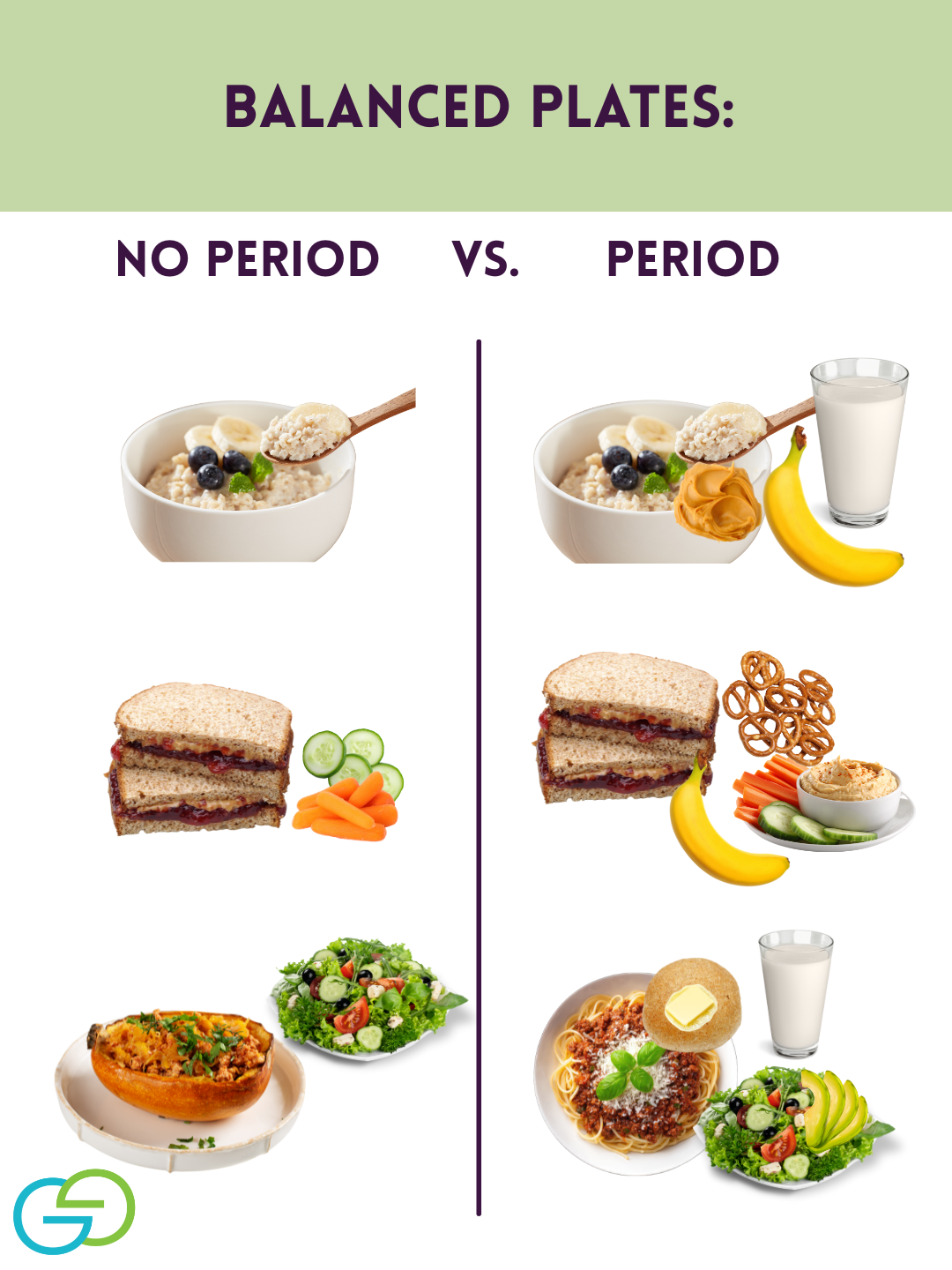
Getting your period back starts with making sure your body is adequately fueled. Eating enough calories consistently provides your body the resources it needs to support hormones, recovery, and your daily routine. Fueling consistently (eating every 2-4 hours) and eating within an hour of waking are two impactful ways to support recovery, along with a balanced diet.
Carbohydrates are especially crucial for optimal hormone health. They fuel both your muscles and your brain, which controls reproductive hormones. Not eating enough carbs can disrupt signals that help trigger your cycle, even if your caloric intake appears adequate. Incorporating foods such as whole grains, starchy vegetables, fruits, and legumes at each meal can help keep your energy steady and support hormone function.
Protein is important, but should not be the main focus. Protein does help repair muscles and supports recovery but focusing too much on protein at the expense of fats, carbs, or total caloric intake can contribute to low energy availability. Protein consumption spread out throughout the day is best, but it’s important to note meeting your total calorie and carbohydrate needs are top priority.
Healthy fats are also essential. Fats help your body make hormones like estrogen and progesterone. Foods like nuts, seeds, olive oil, avocado, and fatty fish not only support hormone production but also overall cell function. Cutting fats too low can slow menstrual recovery. Certain vitamins and minerals play key roles too. Iron supports energy and oxygen transport, while calcium and vitamin D help maintain strong bones. Eating a variety of nutrient-dense foods ensures you’re getting the nutrients your body needs to recover and stay healthy long term.
Training considerations and modifications during period recovery
Exercise is not harmful, but training stress without adequate nutrition and recovery can delay menstrual recovery. Your body needs energy not only to fuel workouts but also to support hormones, tissue repair, and basic functions.
You do not necessarily need to stop training, but modifying workouts can help. This may include reducing volume or intensity, spacing high-intensity sessions further apart, or adding more rest and recovery days. Even small adjustments allow your body to redirect energy toward hormone restoration.
Pay attention to recovery markers like fatigue, mood changes, poor sleep, or delayed muscle recovery. Supporting workouts with adequate calories, consistent nutrition, and good recovery habits can help you maintain fitness while giving your body the best chance to restore your cycle.
Lifestyle factors that support recovery
Functional hypothalamic amenorrhea is influenced not only by physical stress, but also by psychological and lifestyle factors. The hypothalamus integrates signals related to energy availability, sleep, stress, and safety. When these signals indicate insufficiency or threat, reproductive hormone signaling is reduced as a protective response.
Sleep is essential. Consistently aiming for eight to ten hours of high-quality sleep supports nervous system regulation and helps the body feel safe, which is critical for restoring reproductive function.
Reducing overall stress load is equally important. This includes external stress from work, school, sports, or life transitions, as well as internal stress from self-monitoring, food guilt, or pressure to train. Identifying areas where demands can be softened or boundaries can be created can meaningfully support recovery.
Creating consistency in meals helps reinforce energy availability throughout the day. Regular meals and snacks prevent large fluctuations in blood glucose and signal to the body that fuel is reliably available. Over time, this consistency supports normalization of hunger cues and hormonal signaling.
Finally, letting go of the need to optimize everything at once can be necessary. Many women experiencing FHA are highly driven and accustomed to strict routines around food, training, and lifestyle habits. Allowing flexibility can reduce psychological stress and support a more sustainable recovery process.
Together, these lifestyle strategies create an internal environment where the body feels adequately fueled, supported, and safe, which is necessary for menstrual recovery.
How long does period recovery take?
Like most components of health, period recovery has no universal timeline and is individualized. Although, evidence does suggest that menstrual cycles may return anywhere from one to twelve months, depending on several factors. Factors include severity and duration of energy deficit, overall training load, stress, and length of absent menstruation. Individuals who have experienced prolonged underfueling, significant weight loss, high training volumes, or chronic stress may require more time for hormonal signaling to normalize. Recovery is not linear, and fluctuations in symptoms/progress does not mean you and your body are failing.
Recovery is not linear, and fluctuations in energy, mood, or other symptoms do not mean your body is failing. Many women notice early signs that recovery is underway before their period returns. These can include more stable energy levels, improved sleep quality, increased warmth, stronger and more reliable hunger cues, better mood, and reduced preoccupation with food and exercise. These changes reflect improvements in overall energy availability and nervous system regulation, which are necessary for restoring reproductive hormone function.
Because the menstrual cycle is highly sensitive to overall physiological stress, the return of a period typically only occurs after the body consistently receives adequate energy intake, safety, and time to recover. This is why focusing on behaviors that support recovery (rather than just tracking timelines and comparing progress to others) tends to be more productive and sustainable.
Seeking help
Period recovery is not about pushing harder or doing more. It is about giving your body enough fuel, rest, and consistency to feel safe enough to resume normal hormone function. A missing or irregular period is a signal that something is out of balance, not something to normalize or ignore.
If your period has been absent for three months or longer, cycles are consistently irregular, or you have a history of underfueling, weight loss, high training demands, or stress fractures, it is important to seek support. Recovery is most effective with a multidisciplinary approach that may include a registered dietitian, medical provider, and mental health support when appropriate. Restoring your cycle is not a setback. It is an investment in bone health, metabolism, performance, and long-term wellbeing.
Get started with an intro call to learn more about our 3 and 6 month period recovery programs!
References:
Benito, P. J., et al. (2020). Effect of menstrual cycle phase on the recovery process of high-intensity interval exercise.
Chen, L., et al. (2022). The effects of weight loss–related amenorrhea on women’s health and therapeutic approaches.
Amoroso, A. P., et al. (2023). Functional hypothalamic amenorrhea and dietary intervention: A systematic review.
